As a coffee bags supplier who’s spent years hearing every possible question about how to brew great coffee, one of the most common queries I get is: “Can I use coffee bags in a percolator?” It’s a question that makes total sense—percolators are still popular in households, campers’ kits, and even office break rooms for that rich, robust, no-fuss brew, and coffee bags (those single-serve, sealed pouches full of ground coffee) are everywhere, convenient and easy to grab. But the answer isn’t a simple “yes” or “no”—it depends on a few key details, and there’s more to it than just tossing a bag into the percolator’s water chamber. Let’s break this down, from how percolators work, to what makes a coffee bag compatible, to the best practices if you’re looking to test this out yourself. Coffee Bags

First, let’s get a quick refresher on how a percolator brews coffee, because that’s the foundation here. A percolator is a stovetop or electric coffee maker that cycles boiling water up through a central tube, over a basket full of ground coffee, and back down into the lower chamber. This cycle repeats, usually 5 to 10 times, until the coffee reaches a desired strength. That constant circulation is what gives percolator coffee its bold, full-bodied profile—but it also means the setup has to handle that back-and-forth flow without issues. The two main parts you care about when pairing with coffee bags are the upper coffee basket (where the grounds go) and the filter area, which in traditional percolators is usually a metal mesh or a permanent filter, not a paper filter like you’d find in a drip coffee maker.
Now, what is a coffee bag, for anyone who’s not familiar? Most coffee bags you’ll find for brewing are either single-serve filter bags (sealed with a drawstring or a sealed edge, filled with medium-ground coffee) or, less commonly, the sealed retail pouches we supply that hold coffee beans or grounds for home use. For the sake of this question, we’re talking about the filter-style coffee bags that are designed to be steeped or submerged in hot water, similar to a tea bag.
So, can you use these in a percolator? The short answer is: yes, but not all coffee bags work equally well, and there are some important caveats to avoid a messy brew or under-extracted coffee. Let’s start with why it might seem like a great idea: coffee bags eliminate the need to measure out grounds, mess with loose grounds getting stuck in the percolator’s mesh, or cleaning up extra grounds afterward. That’s a huge plus for anyone who’s dealt with a percolator’s basket clogging with fine grounds, leading to weak coffee or even a burnt taste if the clog disrupts the water cycle.
But here’s where it gets tricky. The drawstring-style coffee bags, the kind you steep in a mug, are usually too small for a standard percolator’s coffee basket. Most of those mugs-sized bags are only a few inches wide when opened, which means they’ll float up into the central tube of the percolator the second the hot water starts flowing. That’s a problem—if the bag blocks the tube, water can’t cycle properly, leaving you with half-brewed coffee, or even a percolator that overflows because the water can’t circulate.
That’s where the right type of coffee bag comes in. As a supplier, we’ve started hearing from customers who specifically ask for larger coffee bags designed for brewing in percolators, which are sized to fit standard percolator baskets (usually 4 to 6 inches wide when unfolded) and have a stronger, heat-resistant seal. The best coffee bags for percolators are made from food-grade nylon or unbleached paper filter material—we test both here at our shop because we want to make sure they hold up to boiling water without leaching chemicals or breaking mid-brew. Unbleached paper is a good option because it’s porous, so water can flow through easily, but we’ve found that nylon bags hold up better to the repeated cycling of a percolator without tearing, which is a big plus for longer brew times.
Another key factor is the grind size of the coffee inside the bag. Coffee bags for drip brewers or pour-overs usually use medium-fine grind, but a percolator needs a coarser grind. Why? Because the constant water flow will extract flavors faster, and fine grounds will slip through the bag’s material, clog the mesh filter in the percolator, and end up in your final coffee, making it gritty. If your coffee bag has fine grind, you’re better off not using it in a percolator—you’ll have to strain the coffee twice, which defeats the purpose of using a pre-portioned bag in the first place. That’s why we label all our coffee bags with recommended brew methods, so customers know which ones work for percolators, drip, or cold brew.
Let’s talk about a common mistake people make when trying this: using a tea bag as a substitute. I’ve seen this a few times—someone grabs a black tea bag, tosses it into their percolator, and wonders why the coffee tastes like weak tea. The issue is that tea bags are made of a much finer mesh, and they’re designed for a single steep, not repeated water circulation. The tea bag material will absorb the coffee flavors, or break apart, and you’ll get a murky, off-taste brew. Stick to coffee-specific bags if you’re going this route.
If you’re ready to test this at home, here’s a step-by-step guide to make it work, based on what we’ve learned from our own customers who brew with coffee bags and percolators. First, pick the right coffee bag: look for a percolator-specific bag (you can order these directly, or reach out if you’re looking for bulk sizes). The bag should be large enough to fit inside your percolator’s coffee basket without crumpling—leave a little space at the top so water can flow around it. Next, make sure the grind inside the bag is coarse. If you’re using a regular single-serve bag, you can add a small amount of coarse ground coffee to the bag to bulk it up a bit, but that only works if the bag is big enough. Then, place the bag in the center of the percolator’s basket, not pressed against the sides—this allows water to flow evenly through the grounds, which is key for a balanced brew. Don’t overfill the basket; a good rule of thumb is one coffee bag per 2 cups of water (adjust to taste, since percolators are usually stronger than drips). Finally, watch the brew time: percolators should cycle 5 to 7 times, which is about 5 to 7 minutes total. If you cycle longer, you’ll get a bitter brew, so set a timer if you’re new to this.
Now, let’s address the downsides, because it’s not all perfect. The biggest downside is that even the best coffee bags won’t give you that same rich, layered taste you get from fresh ground coffee brewed loose. The pre-portioned grounds in coffee bags are usually roasted and ground ahead of time, so some of the volatile flavors (the ones that give coffee its bright, fruity notes) have already faded. If you’re a coffee purist who loves trying single-origin beans or custom roasts, you might prefer grinding your own coffee for the percolator. But if convenience is your priority, coffee bags are a solid alternative. Also, while we make our coffee bags to be compostable, some cheaper coffee bag materials might not hold up to repeated percolator cycles, so if you plan to brew often, investing in heat-resistant, BPA-free bags is worth it.
As a coffee bags supplier, we’ve also worked with campsite operators who use percolators for group brews, and they swear by coffee bags. Why? Because when you’re camping, you don’t have time to measure grounds, clean a filter basket, or strain out fine grounds after brewing. Tossing a percolator-sized coffee bag into the basket is fast, and cleanup is just throwing the bag away afterward—no messy grounds stuck in the percolator’s crevices. That’s a huge win for anyone who’s brewed coffee while camping and ended up with grounds all over their stovetop.
Another thing to note: some electric percolators have a “keep warm” function that runs for an extended time after brewing. If you use a coffee bag, keep an eye on the keep warm setting—prolonged heat can make the coffee bitter, and might even weaken the bag’s seal over time. For that reason, it’s best to turn off the percolator as soon as the brew cycle is done, instead of leaving it on keep warm for hours.
If you’ve tried using coffee bags in a percolator and had a bad experience—gritty coffee, a clogged tube, or a weak brew—don’t give up! It’s usually one of the small details that went wrong: wrong bag size, wrong grind, or too long a brew time. We often get messages from customers who emailed us after a bad first try, tweaking their method, and coming back to say it works perfectly now. That’s why we always recommend testing with a small batch first, so you can adjust the amount of coffee, brew time, or bag size to fit your percolator.
At the end of the day, whether you use coffee bags in a percolator comes down to your needs. If you value convenience, easy cleanup, and consistent portioning, yes, it works great—as long as you pick the right bags and follow the basic best practices. If you’re chasing the absolute best possible flavor, fresh ground coffee will always give you a brighter, more complex cup, but that doesn’t mean coffee bags don’t have their place.
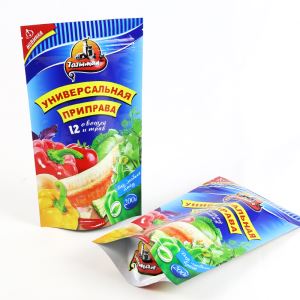
If you’re looking to stock percolator-friendly coffee bags for home use, camping, or your small business, we’ve got a range of sizes and options to fit any brew setup. We’re always here to help if you have questions about which bags work best for your percolator, or how to adjust your brew method for the best results. Don’t hesitate to reach out to our team to discuss your needs, place a bulk order, or learn more about our coffee bag products.
Plastic Round Plate References
- National Coffee Association. (2022). Brewing Methods: Percolators and Their Impact on Coffee Extraction. Coffee Science Journal.
- Specialty Coffee Association. (2021). Recommended Grind Sizes for Different Brew Equipment. SCA Brewing Standards.
- Food and Drug Administration. (2020). Food Contact Materials for Coffee Brewing Products. FDA Food Safety Guidelines.
- Camp Cooking Equipment Association. (2020). Best Practices for Coffee Brewing in Portable Percolators. Outdoor Recreation Gear Report.
Huizhou Yangrui Printing & Packaging Co., Ltd.
Huizhou Yangrui Printing & Packaging Co., Ltd. is one of the top level coffee bags manufacturers and suppliers in China, welcome to wholesale products from our professional factory. And if you are seeking for manufacturer printed coffee bags wholesale business opportunities, please also feel free to contact us.
Address: 1-3F, Bldg.1, Fushun Technology Park, East Industrial Park, Huatang Village, Shatian, Huiyang, HZ, GD,CN
E-mail: sales@packagingbag5.com
WebSite: https://www.packagingbag5.com/
