If you’ve ever worked in a clinic, lab, or even a home setting for diabetes care, you know how important a sharp container is. They’re supposed to keep everyone safe from needlesticks, right? But lately, I’ve been getting a lot of questions from customers and even new clients asking: “Can a sharp container actually get damaged?” As someone who’s been supplying these for years, I don’t just give a yes or no answer—I break it down because it’s not as straightforward as you might think. Sharps Container

Let’s start with the basics. Sharps containers are built tough—mostly from heavy-duty plastic, like high-density polyethylene (HDPE) or polypropylene, that’s designed to resist punctures, tears, and leaks. The whole point is that a used needle, scalpel, or lancet can’t punch through it, and the container can’t break open to spill biohazard waste. But “built to resist” doesn’t mean “indestructible.” Damage happens, and I’ve seen it more times than I can count, often from small, avoidable mistakes that people don’t even realize they’re making.
First, the number one cause of sharp container damage: overfilling. I can’t tell you how many times I walk through a client space and see a container that’s way past the “fill line.” Every container has that clear, raised line (sometimes printed on the side) that says “fill to here only.” That’s not a random guideline—it’s there for a reason. Once you go past that line, the plastic starts to stretch thin, especially around the top where the entry port is. I had a nurse at a urgent care center tell me last month that their staff kept skipping the fill line to avoid extra pickups, and after a few weeks, a needle punctured through the top of one container. They ended up having to call a biohazard cleanup crew, which cost them way more than the extra pickup would’ve. It’s not just punctures, either—overfilled containers can crack along the seams when you move them, especially if you’re carrying a full bin down a hallway. The plastic can’t support the weight of all that waste when it’s stuffed too tight, so it splits open.
Then there’s improper handling. A lot of people treat sharp containers like regular trash bins, but they’re not. If you drop a container on a hard surface (like concrete or tile) from waist height, that’s a problem. Even a small crack from one bad drop can grow over time, especially if you stack containers on top of it when storing or transporting. I once had a lab client who stacked 5 full sharp containers on top of one, and the bottom one cracked all the way through. The biohazard waste spilled onto the floor, and they had to shut down part of their lab for a shift to clean it up. Also, some people use the wrong tools to push waste down—like metal forceps or screwdrivers. Metal can scratch and weaken the plastic, and if you jam something hard against the side, you can make a puncture hole right there. I always tell my customers to use only plastic or wooden tools for managing sharp waste inside the container, not metal.
Wait, what about extreme temperatures? That’s another big one that people sleep on. If you store sharp containers in a hot place—like a car trunk in the summer, or a closet near a heating unit—the plastic can become brittle. HDPE and polypropylene aren’t made for extreme heat; prolonged exposure above 120°F (49°C) makes the plastic break down, lose its flexibility, and crack easily. On the flip side, extreme cold? If you leave a container outside in freezing temperatures, the plastic can become rigid and prone to splitting when you move it. I had a home healthcare client in Minnesota a couple years ago who stored their extra containers in a unheated garage over winter, and half of them cracked when they tried to use them. They had to order replacements last minute, which delayed their patient care.
There’s also the thing with incompatible chemicals. Some people accidentally mix sharp containers with things that aren’t supposed to go in them—like disinfectants, bleach, or other harsh chemicals. Wait, no, actually, the issue is when chemicals get inside the container and sit there. A lot of clinics wipe down needles with disinfectant before tossing them, and if that disinfectant is a strong chemical (like 10% bleach or hydrogen peroxide in high concentrations), it can break down the plastic over time. It doesn’t happen overnight, but after weeks or months, the plastic becomes more permeable, so tiny holes can form on the side of the container. I always advise clients to drain excess liquid from needles before tossing them, and avoid putting any liquid chemicals inside the sharp container unless it’s specifically designed for that.
Now, let’s talk about what damage actually means for everyone involved. If a sharp container is damaged, it’s not just an inconvenience—it’s a safety hazard. Needlesticks are a real risk for healthcare workers, lab staff, and even janitorial teams who handle the bins. A damaged container can also leak biohazard waste, which spreads germs and pathogens, and that’s a huge compliance issue. OSHA and EPA have strict rules about sharp containers—if your container is damaged, you can’t use it for biohazard waste, and you have to dispose of the damaged container properly. I’ve had customers get fined because they kept using a cracked container, and that’s never worth saving a few dollars.
But here’s the good news: most of this damage is preventable. Overfilling is easy to fix—just stick to the fill line, and schedule pickups before the bin gets too full. Handling is simple: don’t drop them, don’t stack too many on top, and use plastic tools for inside. Storing them in a moderate temperature area is a no-brainer, and avoiding harsh chemicals inside the bin takes a little extra care but saves a lot of hassle.
As a sharp container supplier, my job isn’t just to sell you bins—it’s to make sure you’re using them correctly, so you stay safe and compliant. I hear all the time from people who didn’t realize how easy it is to damage a container, and that’s why I’m open about these issues. If you’re a clinic, home health agency, lab, or even a small business with a on-site first aid kit, we can work together to find the right containers for your needs, and give you tips on how to keep them in good shape. No need to deal with the stress of a damaged bin, a needlestick, or a fine—just reach out, and we can walk through what you need.
When you’re picking out sharp containers, make sure you’re getting ones that are labeled for your specific use. Some are designed for home healthcare, others for clinical settings, and some for small office use. The wrong container for your space is more likely to get damaged because it’s not built for the volume or type of waste you’re handling. For example, a small, lightweight container for a doctor’s office exam room isn’t going to hold up to a busy lab with dozens of sharps a day. That’s why it’s worth talking through your needs with someone who knows the space—instead of just grabbing the cheapest option online.
I also want to mention that even with all the care, sometimes damage happens. If a container does get cracked or punctured, don’t try to tape it up or keep using it. That’s a common mistake people make—they think a little duct tape will fix it, but the tape won’t seal properly, and the plastic around the crack will keep splitting. Instead, seal the damaged container in a second, undamaged bin if you have one, or contact your local biohazard disposal service to pick it up right away. It’s better to take that extra step than risk a needlestick or a spill.
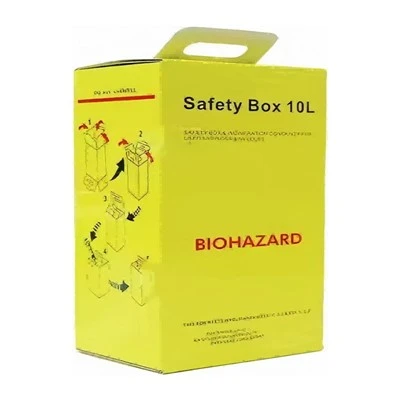
At the end of the day, sharp containers are a critical part of keeping people safe, but they’re not invincible. A lot of the questions I get from customers are about durability, and that’s something I always address honestly. I’d rather tell you the truth about how to care for your containers than have you run into a problem down the line. If you’re ready to stock up on quality sharp containers, or you have questions about what works best for your space, just get in touch to talk procurement. We can customize orders, give you bulk pricing, and even send over free samples so you can see the durability for yourself. No hassle, no hidden fees—just a straightforward conversation about what you need to stay safe.
Square Shape Sharps Container References:
- Occupational Safety and Health Administration (OSHA). (2023). Bloodborne Pathogens Standard: Sharps Injury Prevention.
- U.S. Environmental Protection Agency (EPA). (2022). Medical Waste Management Guidelines for Sharps Containers.
- World Health Organization (WHO). (2021). Safe Management of Sharps in Healthcare Settings.
- American National Standards Institute (ANSI). (2020). Performance Standards for Sharps Containers.
- Centers for Disease Control and Prevention (CDC). (2022). Guidelines for Safe Injection Practices and Sharps Disposal.
Taizhou Huangyan Dingjian Plastic Industry Co., Ltd.
As one of the most professional sharps container manufacturers and suppliers in China, we’re featured by quality products and good service. Please rest assured to wholesale bulk customized sharps container from our factory. For free sample, contact us now.
Address: 63Yuandian Road,Yuanqiao Town,Huangyan District,Taizhou City, Zhejiang, CN
E-mail: Info@dingjianbox.com
WebSite: https://www.dingjian-sharps.com/
