If you’ve ever worked in manufacturing, metal finishing, jewelry making, or even just repairing small metal parts, you’ve probably heard people throw around the term “barrel polishing machine” — and if you’re here, you’re either wondering what the heck it is, or you’re on the hunt for one to make your workflow way smoother. Let me break this down like I would for a buddy who’s asking me for the real deal, not some stuffy textbook definition. Barrel Polishing Machine
First off, let’s skip the jargon and start with the basics: a barrel polishing machine is just a big, rotating drum (that’s the “barrel” part) filled with parts you want to polish, plus some polishing media and liquid, right? Wait, but it’s way more than just a fancy tumbler for your old coffee mugs. Unlike hand polishing, which takes forever and leaves uneven results, these machines crank out consistent, high-quality finishes on stacks of parts at once — perfect for anyone making parts at scale.
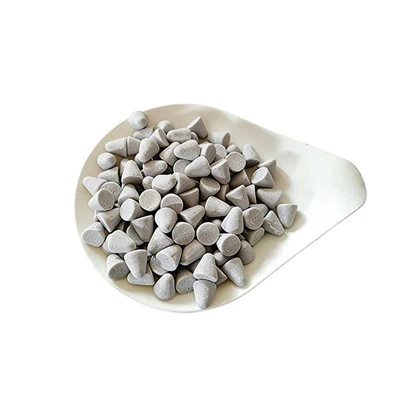
Let me walk you through how it works so you get why it’s such a game-changer. Here’s the no-fuss breakdown: You load your parts into the barrel — could be small metal components like screws, bolts, jewelry charms, even plastic parts that need a smooth finish — then add two key things: polishing media (think little ceramic beads, plastic pellets, or even ground walnut shells, depending on what your parts are made of) and a liquid solution, usually a mild detergent or polishing compound. Then you seal the barrel up, turn on the machine, and it spins (sometimes vibrates, for certain setups) for hours, sometimes days. The constant tumbling of the parts against the media and that liquid is what buffs away rough edges, tool marks, and oxidation, leaving everything shiny and smooth without any of the tedious hand work.
Wait, but hold on — not all barrel polishing machines are the same. Let me clarify that, because I see a lot of people mix them up with other finishing tools. For example, there’s vibratory barrel polishers vs. rotary ones. Rotary is the classic rotating drum type I just mentioned — great for bulk jobs, like polishing hundreds of small fasteners or jewelry pieces at once. Vibratory ones, on the other hand, use gentle vibrations instead of rotation, so they’re better for more delicate parts that might get banged around too hard in a rotary machine, like tiny electronic components or intricate jewelry designs. Then there are centrifugal barrel polishers, which spin way faster, creating more force for super heavy-duty jobs, like removing scale from metal parts or prepping parts for plating.
As a barrel polishing machine supplier, I can tell you this: the biggest mistake people make when buying one is grabbing the cheapest model without thinking about what they actually need. I’ve had customers come to me saying they bought a cheap rotary machine for polishing delicate watch parts, and halfway through a run, half their parts were scratched to hell because the drum spun too fast and the media was too abrasive. That’s why I always ask new buyers: what parts are you working on? What finish do you want? How many parts do you need to process at once? Those three questions will point you to exactly the right machine, no guesswork.
Let’s talk about the biggest benefits of using a barrel polishing machine, because that’s what matters when you’re choosing a tool for your business. First, it’s a massive time-saver. Hand polishing a thousand small screws? That would take you all day, if not a whole workweek. A good barrel polisher can knock that out in a few hours, and you don’t have to stand there babysitting the whole time — you just load it up, set a timer, and go do other work.
Second, consistency is huge. With hand polishing, one person might buff a part too hard, another too soft, so you get a mix of finishes that can mess up your product quality. A barrel polisher treats every part the same way, so every single one comes out looking identical — perfect if you’re selling parts that need to meet strict quality standards, or if you’re making jewelry where uniformity is key.
Third, it’s gentler than most people think, as long as you pair the right media with your parts. That walnut shell media I mentioned earlier? It’s soft enough to polish aluminum or brass without scratching, but tough enough to buff out tool marks. For harder metals like steel, you can use ceramic media that’s a bit more abrasive, and for really delicate stuff, plastic pellets do the trick. I even have customers working on plastic parts, using these machines to smooth out molding lines without damaging the shape of the part.
Don’t get me wrong, there are a few things to watch out for, too. If you load too many parts into the barrel, they’ll get jammed, won’t tumble properly, and you’ll end up with uneven finishes. Same with the wrong media mix — use too coarse media for a small part, and you’ll scratch it, not polish it. And you have to clean and maintain the machine every so often, same as any other piece of equipment — empty the barrel, wash out any leftover media or polishing compound, and check for worn parts like drum liners, so your machine lasts longer.
Now, let’s get into who uses these machines, because it’s not just one industry. Jewelry makers love them for polishing rings, charms, and small settings — way faster than sanding each one by hand. Manufacturing facilities use them for fasteners, hydraulic parts, automotive components, even medical parts like surgical tools that need a super smooth, sterile finish. Even hobbyists get into them — if you’re a DIYer who makes custom metal parts or restores old tools, a small barrel polisher is a game-changer for getting that professional shine without the high cost of a full industrial setup.
As a supplier, I’ve seen a lot of misconceptions out there. Some people think barrel polishing machines are only for big factories, but we make models for small shops and even home hobbyists too. We have tabletop units that fit on a workbench for small runs, and industrial-grade machines that can process thousands of parts an hour for large-scale production. We also offer custom media and solution packs tailored to whatever your parts are made of, so you don’t have to guess what works — we’ve tested it all.
Wait, let’s address a common question I get: is barrel polishing the same as barrel tumbling? Kind of, but not exactly. Tumbling is a broader term for any process where parts are rotated or vibrated in a container with media, but barrel polishing is specifically focused on getting a polished finish, not just deburring or rough grinding. Deburring is removing sharp edges, which is sometimes a step before polishing, but a barrel polisher can do both, depending on the media and liquid you use.
Another thing: a lot of people worry about the mess. Modern barrel polishing machines have sealed barrels, so the liquid and media don’t leak out, and most have drains to make emptying and cleaning way easier than the old models from years ago. We’ve even added features like easy-load drum lids and adjustable speed settings, so you can tweak the process to fit your specific parts.
If you’re still on the fence about whether you need one, think about this: if your current finishing process is costing you too much time, money, or producing inconsistent results, a barrel polishing machine will pay for itself pretty quick. The labor you save alone is worth the investment, not to mention the higher quality of your finished product that will make customers happier and more likely to come back.
I know picking the right machine can feel overwhelming, with all the sizes, types, and features out there. That’s why I’m here — I don’t just sell a machine and leave you to figure it out. I help you figure out exactly what you need, answer all your questions, and make sure you have the support to get the most out of it. Whether you’re a small jewelry shop needing a 5-gallon rotary polisher, or a large manufacturing plant needing an industrial centrifugal model, I’ve got you covered.

If you’re ready to stop wasting time on hand polishing and get consistent, high-quality finishes for your parts, let’s chat. We can walk through your needs, answer any questions you have, and find the perfect barrel polishing machine that fits your workflow and budget. No sales pitches, no pressure — just straight talk about what works for your business.
Abrasive Media References
Barrel Finishing Processes for Metal Parts, Manufacturing & Engineering Society
Media Selection for Barrel Polishing, Journal of Surface Finishing Technology
Industrial Finishing Equipment: A Practical Guide, National Association of Metal Finishers
Dongguan Xindingsheng Intelligent Grinding Technology Co., Ltd.
Dongguan Xindingsheng Intelligent Grinding Technology Co., Ltd. is one of the most reliable barrel polishing machine manufacturers and suppliers in China, also supports customized service. Please feel free to wholesale bulk high quality barrel polishing machine in stock here from our factory. Contact us for pricelist.
Address: Room 101, Building 1, No. 73 Dahuangmei Road, Dalingshan Town, Dongguan City, Guangdong Province, China
E-mail: cndskj@126.com
WebSite: https://www.xdsfinishing.com/
