As a supplier of carbon steel pipes, I’ve had countless in – depth conversations with clients about various aspects of our products. One topic that frequently surfaces is the surface finish of carbon steel pipes. Understanding surface finish is crucial as it impacts not only the aesthetic appeal but also the functionality and durability of these pipes. Carbon Steel Pipe

What is Surface Finish?
Surface finish refers to the quality of a pipe’s outer and inner surfaces after it has been manufactured. It can range from a rough, as – cast appearance to a highly polished, mirror – like sheen. Each type of surface finish is achieved through different manufacturing processes and comes with its own set of benefits and applications.
As – Rolled Surface Finish
When carbon steel pipes are first produced, they typically have an as – rolled surface finish. This is the most basic form of finish and is a by – product of the hot – rolling process. In this process, the steel is heated to a high temperature and passed through rolling mills to achieve the desired shape and dimensions.
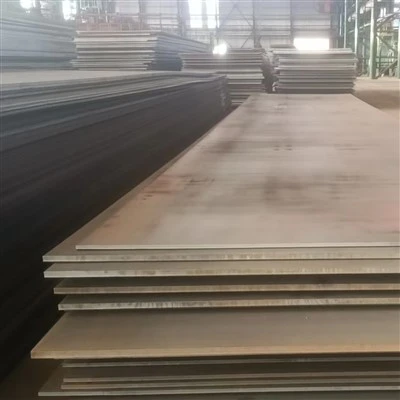
The as – rolled surface has a relatively rough texture, with visible mill scale. Mill scale is a thin layer of iron oxide that forms on the surface of the steel during the hot – rolling process. It’s generally blue – gray to black in color. While the as – rolled surface might not look the most appealing, it has its place in the market.
Pipes with an as – rolled finish are often used in applications where appearance isn’t a primary concern, such as in underground pipelines, structural supports in construction projects. The mill scale can offer some initial protection against corrosion, but it’s important to note that this protection is limited, and over time, especially in harsh environments, the scale can flake off, leaving the steel exposed to rust.
Bare Surface Finish
A bare surface finish is achieved by removing the mill scale from the as – rolled pipe. This can be done through processes like pickling or abrasive blasting.
Pickling involves immersing the pipes in an acid bath, usually hydrochloric or sulfuric acid. The acid reacts with the mill scale and dissolves it, leaving a clean, smooth, but slightly etched surface. The pickled pipes are then rinsed thoroughly to remove any remaining acid.
Abrasive blasting, on the other hand, uses high – pressure air to propel abrasive materials, such as sand or steel grit, against the surface of the pipe. This method not only removes the mill scale but also can create a more uniform surface profile.
Bare – finished pipes are more corrosion – resistant than as – rolled pipes since the mill scale, which can trap moisture and promote rusting, is removed. They are commonly used in applications where a clean surface is required, for example, in some automotive parts, where the pipe needs to be painted or coated later for further protection and aesthetic purposes.
Galvanized Surface Finish
Galvanization is a popular surface – treatment method for carbon steel pipes. It involves coating the steel with a layer of zinc, which acts as a sacrificial anode. There are two main types of galvanizing: hot – dip galvanizing and electro – galvanizing.
In hot – dip galvanizing, the carbon steel pipes are dipped into a bath of molten zinc at a temperature of around 450°C. The zinc reacts with the steel to form a series of zinc – iron alloy layers and a pure zinc top layer. This creates a thick, durable coating that provides excellent corrosion protection. The galvanized coating can last for decades, even in harsh outdoor environments, making it ideal for outdoor structures, railing systems, and agricultural equipment.
Electro – galvanizing, in contrast, uses an electrochemical process to deposit a thin layer of zinc onto the surface of the pipe. This method results in a more uniform and smoother coating compared to hot – dip galvanizing. Electro – galvanized pipes are often used in indoor applications or where a thinner coating is sufficient, such as in some electrical conduit systems.
Tinned Surface Finish
Tinning is a process where a thin layer of tin is applied to the surface of the carbon steel pipe. This process is commonly used when the pipe needs to be soldered, as tin has excellent solderability. The tinned layer also provides some level of corrosion resistance.
Tinned carbon steel pipes are frequently used in the plumbing industry, especially for joints where a leak – proof connection is required. The smooth surface of the tinned pipe also helps in reducing friction when fluids flow through the pipe, making it ideal for some low – pressure fluid – handling systems.
Polished Surface Finish
For applications where appearance and a smooth surface are of utmost importance, a polished surface finish is the go – to option. The polishing process typically involves multiple stages of grinding, buffing, and possibly using polishing compounds.
Pipes with a polished finish are widely used in the food and beverage industry, pharmaceutical manufacturing, and architectural applications. The smooth surface is easy to clean and sanitize, which is critical in industries where hygiene standards are high. In architectural settings, the shiny, reflective surface of polished pipes can add an aesthetically pleasing element to building designs.
Why Surface Finish Matters for Carbon Steel Pipes
The surface finish of carbon steel pipes can have a significant impact on their performance and usability.
Corrosion Resistance
As mentioned earlier, certain surface finishes, such as galvanized and tinned finishes, can greatly enhance the corrosion resistance of carbon steel pipes. In environments with high humidity, exposure to chemicals, or saltwater, choosing the right surface finish can extend the lifespan of the pipes significantly. For example, in coastal areas where there is a high salt content in the air, using galvanized carbon steel pipes for outdoor structures can prevent rapid rusting and structural deterioration.
Weldability
The surface finish also affects the weldability of the pipes. A clean, bare surface is generally more conducive to welding than a surface with a thick layer of mill scale. Mill scale can cause defects in the weld, such as porosity and lack of fusion. Therefore, for applications that require welding, pipes with a suitable surface finish, like a pickled or polished surface, are often preferred.
Fluid Flow
In applications where fluids are transported through the pipes, the surface finish can influence the flow characteristics. A smooth – finished pipe, such as a polished or tinned one, offers less resistance to fluid flow, reducing energy consumption and pressure drops. This is particularly important in large – scale industrial piping systems where efficient fluid transport is crucial for cost – effective operation.
Aesthetic Appeal
In architectural and decorative applications, the surface finish plays a key role in achieving the desired visual effect. A polished or galvanized pipe can add a modern, sleek look to a building or a piece of furniture. The choice of surface finish allows designers and architects to create unique and visually appealing structures.
How to Choose the Right Surface Finish
Selecting the appropriate surface finish for carbon steel pipes depends on several factors.
First, consider the application environment. If the pipes will be exposed to corrosive elements, a galvanized or tinned finish might be the best choice. For high – hygiene applications, a polished finish is preferred.
The required functionality of the pipes is also important. If welding is involved, ensure that the surface finish does not impede the welding process. For fluid – handling applications, prioritize a smooth finish to optimize flow.
Finally, budget is a significant consideration. Some surface – finishing processes, such as polishing and hot – dip galvanizing, can be more expensive than others. It’s essential to balance the cost with the expected performance and lifespan of the pipes.
A Call to Action
As a supplier of carbon steel pipes, I understand the importance of offering a wide range of surface finishes to meet the diverse needs of our customers. Whether you’re working on a large – scale industrial project, a residential construction, or an architectural masterpiece, we have the right carbon steel pipes with the appropriate surface finish for you.
Stainless Steel If you’re in the market for carbon steel pipes and have questions about surface finishes, applications, or pricing, don’t hesitate to reach out. Our team of experts is ready to provide you with detailed information and guidance to help you make the best decision for your project. Let’s start a conversation about how our carbon steel pipes can meet your specific requirements.
References
- ASME B36.10M – Welded and Seamless Wrought Steel Pipe
- ASTM A53/A53M – Standard Specification for Pipe, Steel, Black and Hot – Dipped, Zinc – Coated, Welded and Seamless
- ISO 10802:2016 – Steel tubes and fittings — Determination of the surface roughness of the internal surface
Shandong Henry Group Co., Ltd.
As one of the most professional carbon steel pipe manufacturers and suppliers in China since 1995, we’re featured by quality products and good price. Please rest assured to buy premium carbon steel pipe for sale here from our factory. Contact us for more details.
Address: No. 2688 Meili Road, Meilihu Office, Huaiyin District, Jinan City
E-mail: sales01@henry-china.com
WebSite: https://www.henry-steelpipe.com/
