Hey there! As a supplier of titanium rods, I often get asked about the hardness of these incredible materials. So, let’s dive right in and explore what the hardness of a titanium rod really means and why it matters. Titanium Rod
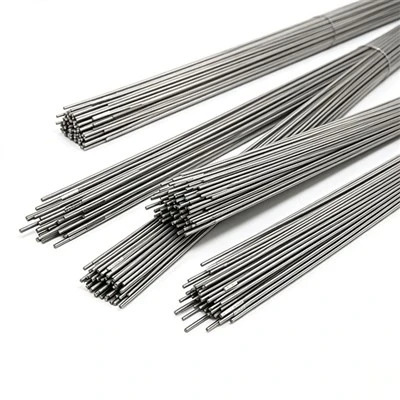
First off, hardness is a measure of how resistant a material is to indentation, scratching, or abrasion. In the case of titanium rods, hardness plays a crucial role in determining their performance and suitability for various applications. There are different ways to measure hardness, but the most common one for metals is the Rockwell hardness test. This test involves pressing a small indenter into the surface of the material and measuring the depth of the indentation. The harder the material, the smaller the indentation will be.
So, how hard are titanium rods? Well, it depends on a few factors. The hardness of titanium can vary depending on its alloy composition, heat treatment, and manufacturing process. Generally speaking, pure titanium has a relatively low hardness compared to some other metals. But when you start adding alloying elements like aluminum, vanadium, or molybdenum, the hardness can increase significantly.
For example, titanium 6Al-4V, which is one of the most commonly used titanium alloys, has a hardness that can range from about 31 to 41 Rockwell C (HRC). This makes it suitable for a wide range of applications where high strength and good wear resistance are required, such as aerospace components, medical implants, and marine hardware.
Another important factor that affects the hardness of titanium rods is heat treatment. By heating and cooling the rods in a controlled way, you can change their microstructure and, therefore, their hardness. For instance, if you heat treat a titanium rod to a certain temperature and then cool it rapidly, you can increase its hardness and strength. On the other hand, if you heat treat it at a lower temperature and let it cool slowly, you can make it more ductile and less hard.
The manufacturing process also plays a role in determining the hardness of titanium rods. For example, if the rods are forged or rolled, the mechanical deformation can increase their hardness. This is because the deformation causes the grains in the titanium to become smaller and more tightly packed, which makes the material stronger and harder.
Now, you might be wondering why the hardness of a titanium rod is so important. Well, there are several reasons. First of all, in applications where the rod is subjected to high levels of stress or wear, a harder material will be more resistant to damage. For example, in an aircraft engine, the turbine blades are made of titanium because of its high strength and hardness. These blades need to be able to withstand the extreme temperatures and pressures inside the engine without deforming or wearing out.
Secondly, hardness can also affect the machinability of the titanium rod. A harder material can be more difficult to machine, but it can also hold its shape better during machining. This means that if you need to create precise components from titanium rods, you’ll need to consider the hardness of the material to ensure that it can be machined accurately.
In addition, the hardness of a titanium rod can also impact its corrosion resistance. In some cases, a harder surface can provide better protection against corrosion because it is less likely to be scratched or damaged, which can expose the underlying material to the corrosive environment.
As a supplier of titanium rods, I understand the importance of providing high-quality products with the right hardness for your specific needs. That’s why we offer a wide range of titanium rods with different alloy compositions, heat treatments, and hardness levels. Whether you’re looking for a rod for a high-performance aerospace application or a more general-purpose industrial use, we’ve got you covered.
If you’re in the market for titanium rods, I’d love to have a chat with you about your requirements. We can discuss the different hardness options available and help you choose the right rod for your project. Our team of experts is always here to answer any questions you might have and provide you with the best possible advice.
In conclusion, the hardness of a titanium rod is a complex but important property that can have a big impact on its performance and suitability for different applications. By understanding the factors that affect hardness and working with a reliable supplier, you can ensure that you get the right titanium rod for your needs.

So, if you’re interested in learning more about our titanium rods or if you’re ready to place an order, don’t hesitate to get in touch. Let’s start a conversation about how we can help you with your titanium rod needs.
Titanium Plate References
- ASM Handbook Volume 1: Properties and Selection: Irons, Steels, and High-Performance Alloys
- Titanium: A Technical Guide by John C. Williams
Shaanxi Mingtai Dingsheng Metal Material Co., Ltd.
As one of the most professional titanium rod manufacturers and suppliers in China, we’re featured by quality products and good price. Please rest assured to buy premium titanium rod for sale here and get free sample from our factory. We also accept customized orders.
Address: Room 103, Building 53, Gaoyi Industrial Park, Baqiu Town, Gaoxin Development Zone, Baoji City, Shaanxi Province
E-mail: shawn@mt-titanium.com
WebSite: https://www.medical-titanium.com/
