Do Aligner Sheets need to be heated before use? Aligner Sheets
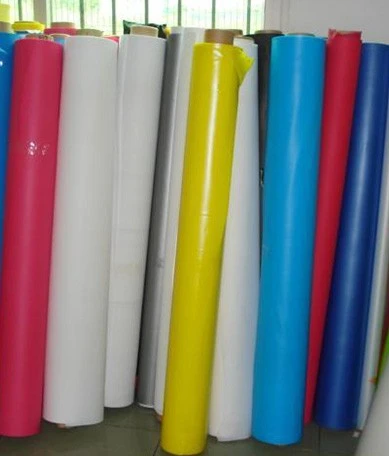
As a supplier of aligner sheets, this is a question that frequently comes up in conversations with our customers. The answer isn’t a simple yes or no but rather depends on several factors, including the type of aligner sheets, the specific orthodontic application, and the preferences of the orthodontist or the dental professional.
Understanding Aligner Sheets
Before diving into the heating question, it’s essential to understand what aligner sheets are. Aligner sheets are thin, thermoplastic materials that are used to create clear aligners. These aligners are a popular alternative to traditional metal braces for teeth straightening. The sheets come in various thicknesses and materials, each designed to offer different levels of flexibility and strength to meet the specific needs of different orthodontic cases.
The most common materials for aligner sheets include polyurethane, polyethylene terephthalate glycol (PETG), and copolyester. These materials are chosen for their biocompatibility, transparency, and ability to be thermoformed into the desired shape to fit the patient’s teeth.
The Principle of Thermoforming
The process of creating aligners from aligner sheets involves thermoforming. Thermoforming is a manufacturing process where a plastic sheet is heated to a pliable forming temperature, then stretched onto a mold and cooled to take on the shape of the mold. This process is crucial in the production of custom – fit aligners.
When the aligner sheet is heated, its molecular structure becomes more flexible, allowing it to conform precisely to the shape of the dental model. The heating process reduces the sheet’s stiffness, making it easier to stretch and mold without causing it to crack or tear.
Reasons for Heating Aligner Sheets
1. Improved Formability
One of the primary reasons for heating aligner sheets is to improve their formability. As mentioned earlier, when heated, the sheets become more malleable. This allows orthodontists and dental technicians to create aligners that fit the patient’s teeth more accurately. A well – fitting aligner is essential for effective teeth straightening as it ensures that the appropriate forces are applied to the teeth to move them into the desired position.
For example, if the aligner does not fit snugly around a tooth, it may not be able to exert the necessary pressure to move that tooth. Heating the aligner sheet helps to achieve a tight fit, which is especially important for complex orthodontic cases where multiple teeth need to be moved simultaneously.
2. Stress Relief
Heating the aligner sheet can also relieve internal stresses that may have developed during the manufacturing process. These internal stresses can cause the aligner to warp or distort over time, leading to a poor fit. By heating the sheet, the molecules are allowed to relax and re – arrange themselves, reducing the likelihood of stress – related issues.
3. Optimal Material Properties
Different aligner sheet materials have different optimal temperature ranges for thermoforming. When heated within the appropriate range, the material can exhibit its best mechanical properties, such as flexibility and strength. For instance, PETG aligner sheets typically require heating to a specific temperature range to ensure that they are both flexible enough to form around the dental model and strong enough to withstand the forces exerted during teeth movement.
Situations Where Heating May Not Be Necessary
1. Pre – formed Aligners
Some aligners are pre – formed and do not require additional heating before use. These aligners are usually designed to fit a standard range of tooth shapes and sizes. They are mass – produced and may not be customized to the same extent as thermoformed aligners. In these cases, there is no need for the heating step as the aligner is already in its final usable form.
2. Minor Adjustments
In some instances, orthodontists may only need to make minor adjustments to an aligner. For example, if an aligner is slightly too tight in one area, a gentle bending or contouring by hand may be sufficient without having to heat the entire sheet. However, this is only applicable for very minor alterations, and for more significant changes, heating is still recommended.
Factors Affecting the Heating Process
1. Sheet Thickness
The thickness of the aligner sheet plays a crucial role in the heating process. Thicker sheets generally require more heat and a longer heating time to reach the optimal forming temperature. If a thick sheet is not heated enough, it may not conform properly to the dental model, resulting in an ill – fitting aligner. On the other hand, overheating a thin sheet can cause it to become too soft and difficult to handle.
2. Material Type
As mentioned earlier, different materials have different optimal heating temperatures. Polyurethane aligner sheets may require a different heating temperature compared to PETG sheets. Dental professionals need to be aware of these temperature differences to ensure that the aligner sheet is heated correctly for each specific material.
3. Heating Equipment
The type of heating equipment used also affects the heating process. Common heating methods include using a thermoforming machine, a heat gun, or an oven. Each method has its own advantages and disadvantages. For example, a thermoforming machine provides precise temperature control, ensuring consistent heating across the entire sheet. A heat gun, on the other hand, offers more flexibility but may be more difficult to control evenly.
Best Practices for Heating Aligner Sheets
To ensure the best results when heating aligner sheets, here are some best practices:
1. Follow Manufacturer’s Instructions
The manufacturer of the aligner sheets provides detailed instructions on the recommended heating temperature and time. It’s crucial to follow these instructions precisely to achieve the desired formability and material properties.
2. Use Proper Heating Equipment
Invest in high – quality heating equipment that allows for accurate temperature control. This will help to ensure that the aligner sheets are heated evenly and consistently.
3. Test the Sheet
Before heating the entire sheet, it’s a good idea to cut a small sample and test the heating process. This will allow you to adjust the temperature and time settings as needed to achieve the optimal results.
Conclusion
In conclusion, whether aligner sheets need to be heated before use depends on the specific circumstances. In most cases, heating is required to improve formability, relieve internal stresses, and achieve optimal material properties. However, there are situations where heating may not be necessary, such as with pre – formed aligners or for minor adjustments.

As a supplier of aligner sheets, we are committed to providing high – quality products and supporting our customers with the knowledge and resources they need to use our products effectively. If you have any questions about our aligner sheets or the heating process, we encourage you to contact us for further discussion. We are here to help you make the best decisions for your orthodontic practice and your patients. Whether you are a small dental clinic or a large orthodontic center, we can provide you with the right aligner sheets to meet your needs. Reach out to us to start a conversation about your procurement requirements and how we can work together to achieve the best results in orthodontics.
TPU Medical Film – consumables References
- Handbook of Thermoforming, by James F. Throne
- Principles of Orthodontics, various editions discussing aligner materials and fabrication
- Journal articles on dental materials and orthodontic technology related to aligner sheet heating and thermoforming
Yantai Leo Economics & Trade Co., Ltd.
Yantai Leo Economics & Trade Co., Ltd. is one of the most professional aligner sheets manufacturers and suppliers in China, featured by quality products and low price. Please rest assured to wholesale customized aligner sheets from our factory. Contact us for free sample.
Address: Zhichu Industrial Zone,Yantai City,Shandong Province,China.
E-mail: lee@leo-newmaterial.com
WebSite: https://www.leo-newmaterial.com/
