If you’re someone who’s been casually scrolling through wellness gear lately, you’ve probably seen medical wearables pop up everywhere—smartwatches that track your heart rate, patch devices that monitor sleep apnea, even those little rings that log your blood oxygen levels. As a medical wearable solutions provider, I get asked all the time: do people actually use these things, and what do they really think of them? Spoiler: it’s not all rave reviews, and it’s not all complaints either. I’ve spent the last couple years hearing directly from our clients—from busy parents with type 1 diabetes to retirees managing chronic heart conditions—and their feedback paints a way messier, more human picture than any marketing brochure. Medical Wearable Solutions
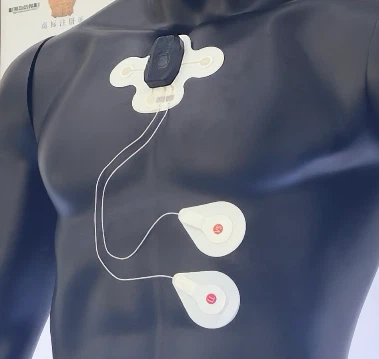
Let’s start with the folks who actually rely on these devices for daily health. Take Sarah, a 32-year-old elementary school teacher I spoke to last quarter who has type 1 diabetes. She’s been using our continuous glucose monitor (CGM) patch for 18 months now, and she swears by it. “Before this, I was pricking my finger 8 times a day, which was not just annoying but made me nervous to go long stretches between meals,” she told me. “Now, I can glance at my watch between lessons, and if my sugar dips low, it alerts me before I even feel shaky.” Her feedback is the kind we live for: it’s practical, tied straight to quality of life, and it’s exactly why we built our CGM to be low-profile enough to hide under a short sleeve—no one wants a clunky device on their arm when they’re teaching kids. For many users like Sarah, the biggest win isn’t the tech itself, but the way it eliminates the stress of constant manual monitoring. Another common positive thread? For people with atrial fibrillation, our heart monitoring smartwatch takes the guesswork out of noticing irregular beats. One retiree, Mark, told us he used to dismiss occasional flutters as just “getting older” until his watch alerted him to a prolonged episode. His doctor adjusted his medication, and now he doesn’t worry about missing warning signs anymore. That’s the real value here: these wearables aren’t just gadgets, they’re early warning systems that keep people out of urgent care.
But here’s where the feedback gets way more honest than what you see in product ratings. A lot of users, especially those with specific medical needs, hit the “frustrated” tag fast when the tech doesn’t live up to their needs. I remember a call from Lisa, a 45-year-old with cerebral palsy who has trouble holding small objects. She tried our smart ring for blood oxygen monitoring, and it kept slipping off her finger—so she gave up on it after two weeks. “The ring is too small for my knuckle, and even when I adjust it, it won’t stay during physical therapy,” she explained. That’s a gap we didn’t account for enough early on: accessibility isn’t an afterthought. Many of our smaller devices are designed for people with average hand size, but for users with arthritis, mobility issues, or different body types, they’re not usable at all. Another common pain point? Battery life. A number of users have told us that our CGM patch dies after 5 days instead of the advertised 7, which means they have to change it more often—extra trips to the pharmacy, more pricks to reapply the sensor, and extra cost they didn’t budget for. One mom with a kid who has type 1 diabetes told us she once missed a night’s monitoring because her watch died mid-school night, and she spent hours panicking instead of sleeping. That’s the kind of small, frustrating failure that builds distrust, even if it’s a fixable issue.
Then there’s the feedback that’s less about the device and more about the context around it. A lot of users worry about how their health data is used—and that’s not paranoia, that’s a valid concern. I spoke to a group of type 2 diabetics at a support group last month who told us they’d stopped using our glucose tracking watch because they didn’t want their insurance company to see their data. “What if they use my high sugar readings to raise my premiums?” one asked. That’s a huge, unspoken barrier: even if the device works perfectly, if users don’t trust that their data is private, they won’t use it. Another group we hear from regularly is people with cognitive issues, like dementia patients, who can’t remember to charge their wearables or ignore alerts. Caregivers have told us that while the tech is great for them, it means nothing if the person they’re caring for doesn’t engage with it. We’ve had to learn that medical wearables don’t exist in a vacuum—they’re tied to families, insurance, even personal beliefs about health.
The most interesting feedback, though, is the stuff that surprises even us. A lot of younger users, like college students with mild anxiety, have told us they use our stress-tracking smartwatch not because they have a clinical condition, but because it helps them build healthy habits. One 20-year-old undergrad told us that the watch’s alert for elevated heart rate made her start taking 5-minute walks between study sessions, and her anxiety got way better without medication. That’s a use case we didn’t originally design for, and it’s shifted how we think about our products: they can be both clinical tools for people with chronic conditions and preventive health aids for otherwise healthy folks. On the flip side, some users with chronic pain told us they use our activity trackers to set gentle movement goals, which helps them avoid flare-ups. It’s not a medical device for them, but it adds value to their daily lives in a way we never anticipated.
So what does this all mean for our work as a medical wearable solutions provider? The feedback isn’t just ratings—it’s a roadmap. We’ve already made changes because of what users told us: we added larger patch sizes for people with bigger arms and smaller sizes for those with smaller frames, extended battery life by two days on our CGM model, and worked with a third-party privacy firm to give users full control over their data, even the option to delete it automatically after 30 days. We’re also testing a new version of our heart monitor that has a longer battery life and a bigger alert button for people who might miss smaller notifications.
But here’s the thing: we can’t do this alone. Every user’s feedback—whether it’s a rave about how a device saved their life or a complaint that a ring kept slipping—is what makes our products better. If you’re in a position where you’re evaluating medical wearable solutions for your practice, your clinic, or your family, or if you’re someone who’s looking for a tool to support your own health, we want to hear from you. We don’t do one-size-fits-all here—we build solutions that fit real people, with real needs. Whether you’re managing a team of patients with diabetes or you’re just looking for a way to track a loved one’s heart health, our team can work with you to find the right fit and make sure it works for you, not against you.
If you’re ready to talk through your needs, our team is here to connect and find a solution tailored to you.
CGM References:
- Centers for Disease Control and Prevention. (2022). Use of Consumer Health Technologies Among U.S. Adults With Chronic Conditions.
- Journal of Medical Internet Research. (2021). Patient Satisfaction With Continuous Glucose Monitors: A Meta-Analysis.
- Pew Research Center. (2023). Public Attitudes Toward Health Data Privacy and Wearable Technology.
- American Heart Association. (2022). Wearable Devices for Atrial Fibrillation Detection: Clinical Outcomes and User Experience.
Shenzhen Omori Biological Technology Co., Ltd.
We’re well-known as one of the leading medical wearable devices manufacturers and suppliers in China. We warmly welcome you to wholesale high quality medical wearable devices made in China here from our factory. If you have any enquiry about customized service, please feel free to email us.
Address: Floor4, No43, Langkou Industrial park, Dalang Street, Longhua District, Shenzhen City, Guangdong Province, China
E-mail: wya@omorimed.com
WebSite: https://www.omorimed.com/
