If you’ve ever ordered lay flat hoses for farming, construction, or even emergency water transfers, you might’ve stared at the options for five minutes just thinking, “Why’s this one blue, that one black, and the other neon orange? Isn’t all hose just hose?” I’ve been selling these things for 7 years, and I can’t tell you how many times a guy rolls up to my warehouse, picks a hose at random because it “looks tough,” and then calls me a week later complaining it cracked after one summer of dragging in the sun. Turns out the color isn’t just a marketing gimmick—it’s the difference between a hose that lasts a season and one that lasts 10+ years. And no, I’m not just saying that because I sell the stuff. Let me break down what I’ve learned from guys who’ve blown out hoses mid-irrigation and guys who’ve used the same hose since I opened shop. Lay Flat Hose
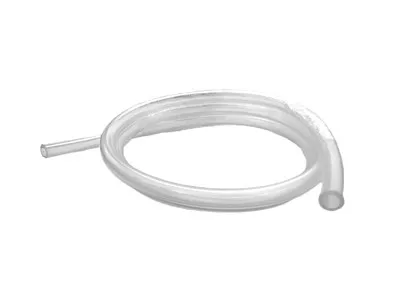
First off, let’s get the basics straight: lay flat hose isn’t your garden-variety plastic hose you pick up at the hardware store. It’s made of coated fabric—usually PVC, polyurethane, or sometimes rubber—squeezed flat when not in use so you can roll it up and shove it in the back of a truck or tie it to a fence post. That makes it perfect for moving large volumes of water fast, but it’s also exposed to way more stuff than a tiny garden hose: UV rays from the sun, grime from dirt and fertilizer, even weird chemicals like gasoline if you’re using it to transfer fuel for a generator. The biggest enemy of any lay flat hose is UV radiation. That’s what breaks down the fabric coating, makes it brittle, and causes those random cracks that show up when you least expect them.
Here’s where color comes in. White or clear lay flat hose? Don’t buy it for outdoor use. At all. I had a customer a few years back, a small-time vegetable farmer, who swore white was fine because it was “cheap.” He used it for his drip irrigation lines, left it rolled out under the sun for three months straight, and when he went to unroll it to water his tomatoes, it crumbled like old tissue paper. The science here is simple: lighter colors, especially white, reflect some light, but they don’t block UV rays. In fact, clear or uncoated white hose doesn’t have any protective coating at all—just the raw fabric. UV rays get straight through, break down the polymer bonds, and after a few weeks, it’s useless. I never recommend white for outdoor use, and if a customer asks for it, I straight-up ask them, “Why would you want a hose that dies in the sun?”
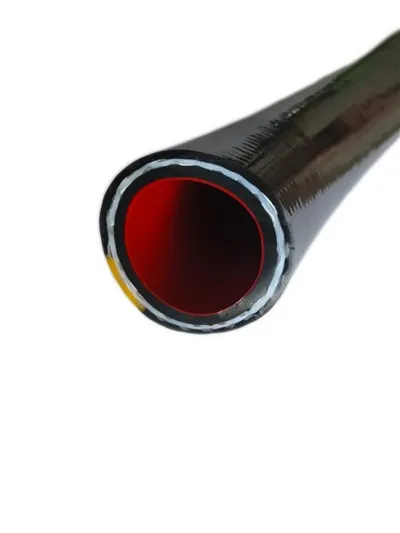
Now, the most common color you’ll see is black. That’s the workhorse, the go-to for most contractors and farmers. And for good reason. Black pigment is a cheap, effective UV blocker. Carbon black, the stuff used to make car tires and black hoses, absorbs almost 100% of the UV rays that hit it. That means it’s way more resistant to sun damage than white or clear. I’ve seen a black lay flat hose get dragged through mud, left out for a full summer in the Texas heat, and still work when we unroll it—no cracks, no leaks, just a little dirt that wipes right off. But here’s the catch: black isn’t perfect. If you’re using your hose for drinking water or transferring anything that needs to stay clean, black can leach tiny amounts of pigment into the water, especially when it’s been sitting in the sun for a while. I had a municipal water worker come to me once with a black hose he’d been using to fill a reservoir, and he complained the water had a weird dark tint. Turns out, the black pigment was breaking down slightly over time and mixing with the water. So black is great for non-potable use—irrigation, construction dewatering, transferring chemicals that don’t need to be clean—but not so much if you’re moving drinking water, food-safe liquids, or anything that’s sensitive to pigment.
Then there’s the color that’s been blowing up in sales lately: neon orange, yellow, or even bright red. These aren’t just for Halloween—they’re for visibility, and they’re actually some of the most durable hoses you can buy. Wait, why? Because those bright pigments also have UV stabilizers added to them. Manufacturers can’t use plain neon pigment, right? Neon orange alone would still break down in the sun. So they mix UV inhibitors into the color coating, which makes these hoses way more resistant than basic black. I had a guy who runs a fire department equipment supply stop by last year—he needed hoses for emergency water transfers during floods, and he wouldn’t touch anything else but neon orange. Why? Two reasons: first, if it’s submerged in murky flood water, you can see it from a mile away, so no one steps on it or drags it under a log. Second, the UV stabilizers in the neon color mean it holds up way longer than black in constant sun exposure. He told me he used to go through 5 black hoses a year for flood work, but since switching to neon orange, he’s only had to replace one in two years. That’s a huge difference. Another use for bright colors? If you’re working on a construction site where there are heavy machines around—bulldozers, excavators—neon hose is impossible to miss, so no one runs over it by accident. I’ve had customers tell me they saved thousands in replacement costs just by switching from black to neon for their job sites.
Wait, there’s another color I should mention: blue. Blue is usually a mix. Some blue hoses are like black—just basic pigment with UV stabilizers, good for outdoor use. But a lot of blue hoses are food-safe. The blue pigment is formulated not to leach, so it’s approved for transferring drinking water, milk, or even food-grade chemicals. I sell a lot of blue hose to small-scale dairy farmers who need to move water to their calves, or to orchard owners who use it to spray fruit (as long as it’s not mixed with harsh pesticides). But the downside of blue? It’s not as good at blocking UV as black or neon. So if you leave a blue hose out in the sun for a few months, it’ll fade faster than black and get brittle. It’s a trade-off: food-safe, but less durable outdoors.
Let me tell you a story that sums this all up. A few months back, I got a call from a guy named Jake who runs a landscaping company. He’d bought 500 feet of white hose because it was the cheapest option at the big box store. He used it to water new sod he’d laid, and after two weeks, half the hose was split from the sun. He was furious, said I was trying to rip him off when I told him white isn’t for outdoor use. I gave him a free roll of black hose, explained how carbon black blocks UV, and he texted me a month later saying that hose was still perfect. A month after that, he came back and ordered 2,000 feet of black and 500 feet of neon orange for his big commercial jobs. He told me, “I used to think color was just pretty, now I know it’s how I don’t lose half my investment on garbage hoses.”
Another thing no one talks about: color can help with contamination. If you’ve got a black hose and you’re transferring, say, fertilizer that’s dark, you can’t see if there’s a leak or a blockage. But a bright neon hose? If fertilizer is leaking out, you’ll see the neon color mixing with the mud, so you can fix it right away. I’ve had a customer who uses neon orange hose to transfer sewage water for septic pumping—he says the bright color lets him spot clogs in the hose before they cause a mess that takes an hour to clean up. That’s a huge time saver, not to mention a money saver.
Let’s clear up a common myth I hear all the time: “Darker colors get hotter, so they’ll break down faster.” Is that true? A little, but not nearly as much as UV damage. I’ve tested this myself—left a black hose, a neon hose, and a white hose out in 100-degree heat all day. The black hose was about 5 degrees hotter than the neon one, which was 3 degrees hotter than white. But the UV protection of the black and neon more than makes up for that 5-degree difference. White, even cooler, breaks down way faster because it has no UV block. That myth is just a way for people to justify buying cheap white hoses, and it doesn’t hold up in real-world use.
So what does this mean for you? If you’re buying lay flat hose, don’t pick it by color because it looks good. Pick it based on what you’re using it for. Need to move drinking water or food stuff? Go for blue food-safe hose. Need a workhorse for irrigation or construction? Black is your best bet—cheap, durable, blocks UV. Need visibility, or constant sun exposure? Neon orange or yellow, and you’ll save a fortune on replacements. If you’re ever not sure, just ask— I’ve been doing this long enough to tell you exactly what color is right for your job.
I’ve seen too many guys waste money on the wrong hose because they thought color didn’t matter. That hose isn’t just a piece of fabric—it’s the difference between finishing a job on time and having to run back to the store for a replacement. It’s the difference between a crop that gets watered and one that dies because your hose cracked at the worst time. So next time you’re picking out lay flat hose, don’t just grab the cheapest or the most colorful. Think about what color can do for you. And if you need help figuring that out, hit me up— we can talk through your project, size, and get you the right hose that’ll last.
Flexible Plastic Pipe References:
- Lay Flat Hose UV Resistance Testing, American Society for Testing and Materials (ASTM) International, 2021
- Pigment Technology for Flexible Polyethylene Hoses, Journal of Polymer Engineering, 2019
- Occupational Safety and Health Administration (OSHA) Guidelines for Visibility Equipment in Construction, 2022
- Food-Grade Hose Material Safety Standards, National Sanitation Foundation (NSF) International, 2020
Weifang Xinzhiyuan Plastic Co., Ltd.
As one of the most experienced lay flat hose manufacturers and suppliers in China, we offer a wide range of products with superior quality. Please feel free to wholesale premium lay flat hose made in China here from our factory. We also accept customized orders.
Address: No. 700, Tongle Street, Economic Development Zone, Changle County, Weifang City, Shandong Province
E-mail: hua@xzypvchose.com
WebSite: https://www.pvchose-xzy.com/
