Hey everyone, and welcome back to the blog—thanks for tuning in, especially if you’re here because you’re staring at a roll of foam tape right now wondering if it can actually handle a little heat. I get it, I’m a foam tape supplier (shoutout to anyone who’s worked with my team before, you know we’re not the ones who send generic, one-size-fits-all rolls that fall apart after a week), and this is hands down the question I get more than “do you ship to Alaska?” or “can this hold my 10lb wooden shelf?” So let’s break this down straight, no jargon, no fluff—just the real deal on whether foam tape is fire-resistant. Foam Tape
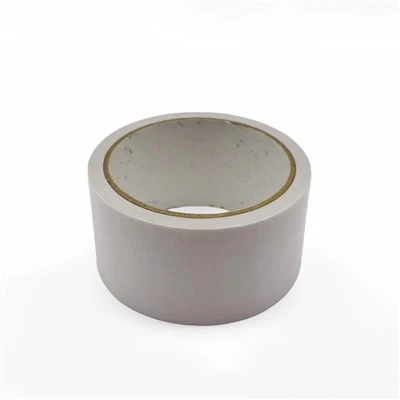
First off, let’s get one thing out of the way: “fire-resistant” is not a blanket term. I know, I know—you probably heard it on a packaging label once and assumed it works for every single foam tape out there, but trust me, that’s like saying all phones are water-resistant. Some take a splash, some survive a drop in the pool, some catch fire if you spill soda on them (okay, maybe that’s a stretch, but you get the point). Foam tape isn’t one material, either. The foam core is usually what makes up 90% of the roll, and then there’s the adhesive on the back—so both parts matter when we’re talking heat and flames.
Let’s start with the most common foams we use (since this is my side of the business, I’ve tested these in our lab more times than I can count): polyethylene (PE) foam, acrylic foam, and polyurethane (PU) foam. PE is the cheap, bouncy stuff you see holding together furniture or shipping boxes—most standard foam tape is PE. Acrylic is the stiffer, heavier-duty stuff we use for metal signs or car trim, and PU is the soft, dense stuff for cushioning, like in appliances or medical devices.
Now, PE foam—here’s the key fact: it’s not inherently fire-resistant. None of these foams are, actually. All organic materials (and these are all plastics, so organic in industrial terms) will burn if you heat them enough. But here’s where things get tricky: if you just leave plain, unmodified PE foam out, it’ll ignite around 340°C (that’s like, way hotter than your home oven, which maxes out at like 260°C for self-clean mode) and keep burning once you take the flame away. That’s called being combustible, not fire-resistant. But wait—if we add flame retardant chemicals during manufacturing, that changes everything. We add stuff like brominated compounds or phosphorus-based additives (don’t worry, we test to make sure they’re safe for most applications) that slow down or stop burning by depriving the foam of oxygen or breaking down before the foam does. That’s when it becomes “flame retardant” or “fire-resistant” enough for things like electrical enclosures or HVAC ductwork—you have to specify that when you order, though.
Acrylic foam is a whole different beast. Plain acrylic has a higher ignition point, around 400°C, and it’s way less likely to keep burning once the source is gone. But again, it’s not fire-resistant by default—additives can boost that, too. I remember a client last year who was using standard acrylic foam for a commercial rooftop sign, and they got flagged by the fire marshal because it wasn’t rated for outdoor use in high-heat areas. We swapped them to our flame-retardant acrylic foam, and they passed the inspection no problem. That’s exactly the kind of thing I’m talking about—one switch, and it’s compliant.
PU foam is the wild card here. It’s super soft, which is why it’s used for cushioning, but plain PU ignites at like 250°C—way lower than the others. That’s why you see fire warnings on furniture with PU padding, and if you want PU foam tape for something like a fire alarm casing, you need the flame-retardant version, no exceptions.
Okay, so now the big question: when would you actually need fire-resistant foam tape? If you’re just using it to hold a picture frame on your living room wall? Nah, standard foam tape is totally fine. But if you’re working on commercial projects—like electrical panels, kitchen exhaust hoods, car interior trim that’s near the dashboard, HVAC parts, or any application where heat, sparks, or small flames could be a risk? Then you need to go for the labeled flame-retardant stuff. And important note: there’s a difference between “fire-resistant” that meets local codes (like UL 94, which is the standard we test all our commercial-grade foam tape to) and the stuff that just says “heat-resistant on the label.” A lot of cheap brands will slap that on their rolls and call it a day, but UL 94 is rigorous—they test how fast the foam burns, if it drips (dripping flaming bits are a huge fire hazard), and how long it keeps burning after the flame is removed. That’s the kind of rating you actually care about.
Wait, let’s talk about some myths I hear all the time, because those are the ones that get people in trouble. First myth: all black foam tape is fire-resistant. No way. I’ve had clients come in with random black foam tape they bought at a hardware store for a food truck conversion, and it was totally flammable. The color has nothing to do with it—additives can be any color, and some flame-retardant foams are actually white. Myth two: if foam tape doesn’t smell like chemicals, it’s safe for high-heat use. Wrong again. Most flame retardants are odorless, and the cheap, smelly ones are usually the bad kind that off-gas and aren’t compliant for commercial use. We use low-VOC additives in all our commercial rolls, so no weird smell, no off-gassing into food or air. Myth three: once foam tape is applied, its fire resistance changes. Nope, not as long as you apply it correctly. If you clean the surface before sticking it, the adhesive bonds properly, and the foam core doesn’t get damaged during installation, the flame-retardant properties stay the same. I have a 5-year-old sample roll of our flame-retardant acrylic foam taped to a steel panel in our testing lab that’s still passing the UL 94 test every time we run it—no degradation.
Another thing that matters: temperature resistance vs. fire resistance. A lot of people mix these up. Temperature resistance is how well the tape holds up to continuous heat without losing its adhesive strength. Our standard acrylic foam tape can handle up to 120°C for long periods, which is great for car exteriors in summer. Fire resistance is about how it performs when exposed to a sudden flame or high heat that would ignite the foam. You could have a tape that handles 150°C all day but burns instantly if you hold a lighter to it—total different thing. That’s why when you’re ordering, you have to tell us both: what temp it’ll see, and if it needs to be fire-rated. We get calls all the time from people who say “I need fire-resistant tape” and don’t realize they also need it to stick to stainless steel in a commercial oven, so we mix up two different products. Oops, that’s on us for not asking enough questions, too—we’ve gotten way better at checking those details now.
Let me share a quick story to make this real. A few months back, we worked with a small electrical contracting company in Texas. They were doing work on a new school’s electrical room, and the architect specified fire-resistant foam tape for securing the busbar covers. The first order they placed was standard PE foam tape—they thought “thicker is better, and black means fire-resistant.” When they showed up to the inspection, the fire marshal pulled them aside and said their tape wouldn’t pass because it wasn’t UL 94 rated. They panicked, called us at 3pm on a Friday, and we had a pallet of our UL 94 V-0 rated acrylic foam tape on their job site by 8am Monday. No extra cost, no delays, and they passed with flying colors. That’s the kind of service I care about—not just selling a roll, but making sure it actually works for what they need.
Now, what about household use? If you’re using foam tape to stick under your rugs to keep them from sliding, or to hold a Christmas wreath to your front door, or to patch a gap in your window? Standard foam tape is totally fine. It’s not going to catch fire from a space heater a few feet away, as long as you don’t leave the space heater on all night and wrap the tape around it (obviously, don’t do that). But if you’re using it in a garage near a water heater, or on a vent hood above your stove? Then you want to step up to the flame-retardant stuff. It’s not that much more expensive, and it’s worth the peace of mind, not to mention not getting a fire marshal ticket.
Wait, let’s talk about safety testing, because that’s what separates the good foam tape from the junk. All our flame-retardant foam tape goes through third-party testing for UL 94, which is split into different ratings: V-0 is the best— it stops burning within 10 seconds of the flame being removed, no dripping. V-1 is next, it stops within 30 seconds, may drip. V-2 is the lowest, drips but stops burning within 30 seconds. For most commercial applications, V-0 is required, which is what we stock most of. Some of our higher-heat foam tape even meets ASTM E84, which tests for surface burning characteristics, so it’s compliant for building codes in most states.
Is there a way to make standard foam tape more fire-resistant on your own? Let’s be real—don’t try this. I’ve seen people spray clear coat on foam tape, or dip it in wax, and that does nothing. It might slow it down a little, but it’ll peel off, and it’s not going to meet any safety standards. The only way to get actual fire-resistant foam tape is to buy it pre-manufactured with the right additives, from a supplier who tests it. We do that, and we post all the test results on our product pages for every commercial roll—no hidden fine print, no surprises.
Now, let’s wrap this up with what you actually need to remember. First, foam tape is not inherently fire-resistant—you have to order the specific flame-retardant, rated version if you need it. Second, “fire-resistant” is only useful if it’s tested to a real standard like UL 94, not just a label that says “heat-resistant.” Third, the application matters: household, low-heat use? Standard tape is fine. Commercial, electrical, HVAC, automotive, kitchen? Go rated. And finally, don’t guess—talk to your supplier, tell them exactly what the tape will be used for, what temps it’ll see, and if it needs to pass any safety codes. That’s how you avoid wasting money on the wrong tape, and that’s how you make sure your project is safe.
If you’re here because you need foam tape for a project—whether it’s small home stuff or a big commercial build—hit up our team. We don’t do pushy sales calls, we don’t upsell you stuff you don’t need, and we’ll help you pick exactly the right tape for your use case, even if it’s not one of our flame-rated rolls (though we’ll definitely tell you if you need it). We’ve been in the foam tape game for years, and we’ve helped hundreds of contractors, electricians, and even hobbyists get the right product without the hassle. So if you have questions, or you’re ready to place an order, just reach out. We’re here to help.
Thanks for reading—next time, we’ll break down how to pick the right thickness of foam tape for your project, no more guessing if 1mm or 3mm is enough. Catch you later!
Aluminum Foil Insulation Tape References:
- Underwriters Laboratories. (2020). Standard for Safety of Flammability of Plastic Materials for Parts in Devices and Appliances (UL 94).
- American Society for Testing and Materials. (2021). Standard Test Method for Surface Burning Characteristics of Building Materials (ASTM E84).
- European Committee for Standardization. (2019). Reaction-to-fire tests for building materials (EN 13501-1).
- National Fire Protection Association. (2022). NFPA 70B: Recommended Practice for Electrical Equipment Maintenance.
Deqing Hongxin New Material Technology Co., Ltd.
As one of the most professional foam tape manufacturers and suppliers in China, we also support customized service. Please feel free to wholesale high quality foam tape in stock here from our factory. Welcome to contact us for quotation.
Address: No. 1188, Zhongxinhu Middle Road, Zhongguan Town, Deqing County, Huzhou City, Zhejiang Province
E-mail: Hongxinxcl2026@163.com
WebSite: https://www.hxnewmat.com/
