Hey there! I’m a supplier of valve balls, and I often get asked about how long these little guys last. You know, valve balls are super important in all kinds of industries, from oil and gas to water treatment. They play a crucial role in controlling the flow of liquids and gases, so it’s no wonder people are curious about their lifespan. Valve Balls

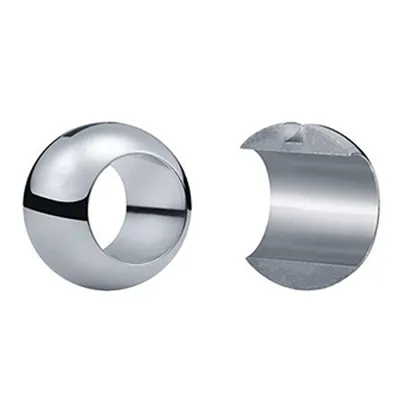
First off, let’s talk about what valve balls are. They’re basically spherical components that fit inside valves. When the valve is open, the ball allows the fluid or gas to pass through, and when it’s closed, the ball seals off the flow. Simple, right? But a lot of factors can affect how long they’ll keep doing their job properly.
One of the biggest things that impacts the lifespan of valve balls is the material they’re made from. We offer valve balls in a bunch of different materials, like stainless steel, brass, and ceramic. Stainless steel is a popular choice because it’s strong, corrosion-resistant, and can handle high temperatures. If you’re using your valves in a relatively mild environment, a stainless-steel valve ball can last for years. For example, in a water supply system where the water is clean and the pressure isn’t too extreme, a stainless-steel valve ball might last 10 to 15 years without any major issues.
Brass valve balls are also pretty common. They’re more affordable than stainless steel and are great for applications where corrosion isn’t a huge concern. But they’re not as strong as stainless steel, so they might not last as long in high-pressure or harsh chemical environments. In a typical household plumbing system, a brass valve ball could last around 5 to 10 years.
Now, ceramic valve balls are a different story. They’re super hard and wear-resistant, which makes them ideal for applications where there’s a lot of abrasion. For instance, in mining or chemical processing, where the fluids might contain abrasive particles, ceramic valve balls can outlast other materials by a long shot. They can last anywhere from 15 to 20 years or even more, depending on the specific conditions.
The operating conditions are another major factor. If the valve is being used in a high-pressure environment, the valve ball is going to experience a lot more stress. Think about it like this: if you’re constantly pushing and pulling on something, it’s going to wear out faster. So, in a high-pressure oil pipeline, the valve ball might need to be replaced every 3 to 5 years.
Temperature is also a big deal. Extreme heat or cold can cause the material of the valve ball to expand or contract, which can lead to cracks or other damage. In a steam system, where the temperatures can get really high, the lifespan of a valve ball might be shorter compared to a system that operates at room temperature. You might need to replace the valve ball every 2 to 4 years in a high-temperature application.
The type of fluid or gas flowing through the valve matters too. If it’s a corrosive fluid, like acid or saltwater, it’s going to eat away at the valve ball. Even if you’re using a corrosion-resistant material, over time, the constant exposure can take its toll. In a marine environment, where the water is salty, a valve ball might need to be replaced every 5 to 8 years.
Maintenance is key when it comes to extending the lifespan of valve balls. Regular inspections can help you catch any early signs of wear or damage. You should also make sure to clean the valves and lubricate them as needed. If you ignore maintenance, the valve ball is going to wear out a lot faster. For example, if you have a valve that’s not being cleaned regularly, the buildup of dirt and debris can cause the ball to get stuck or wear unevenly, and you might end up having to replace it in just a couple of years.
Now, I know all these factors can make it a bit hard to pin down an exact lifespan for valve balls. That’s why we’re here to help. We have a team of experts who can look at your specific application and tell you which type of valve ball is going to last the longest for you. We can also give you advice on how to maintain your valves to get the most out of your valve balls.
If you’re in the market for valve balls or just want to learn more about them, don’t hesitate to reach out. Whether you’re working on a small plumbing project or a large industrial installation, we’ve got the right valve balls for you. We’re committed to providing high-quality products and excellent customer service, so you can be confident that you’re making the right choice.
Contact us today to start a discussion about your valve ball needs. We’re looking forward to working with you!
Valve Balls References:
- "Valve Handbook" by Ernest E. Ludwig
- Various industry reports on valve performance and lifespan
Zhejiang Jigong Valve Co., Ltd.
Zhejiang Jigong Valve Co., Ltd. is one of the most professional valve balls manufacturers and suppliers in China, also supports customized service with low price. Please feel free to wholesale durable valve balls made in China here from our factory. For quotation, contact us now.
Address: Dongou Industrial Park, Oubei Subdistrict, Yongjia County, Wenzhou City, Zhejiang Province (within Zhejiang Yinhe Machinery Manufacturing Co., Ltd.)
E-mail: Sales@cnzjsk.com.cn
WebSite: https://www.ball-china.com/
